The day after Maranello, Ian drives the roads the Mille Miglia made famous — the SS65 over the Raticosa and Futa passes, flowing Apennine bends with racing history in every corner, finished with the Chiantigiana wine road into Siena. Includes the biker café stop on the Raticosa summit.
The Mille Miglia Heritage
The Mille Miglia was one of motorsport’s greatest challenges: a 1,000-mile race (hence the name) from Brescia in the north of Italy to Rome and back, held from 1927 to 1957. Drivers navigated public roads at race speeds, and the event carved itself into Italian cultural memory as something between a race and a national celebration.
The route changed year to year, but it frequently crossed the Apennine mountains through central Italy. The SS65 over the Futa and Raticosa passes was part of the Mille Miglia route, which means you’re driving roads that Stirling Moss, Fangio, and dozens of other legends tackled at speeds that would terrify modern drivers.
The racing history here is woven into the asphalt. These roads weren’t built for racing—they were public mountain roads. But their smooth surfaces, consistent radii, and dramatic elevation changes made them perfect for cars with powerful engines and brave drivers.
Passo della Raticosa: The Biker Café
The Raticosa is a 1,529m pass on the border between Tuscany and Emilia-Romagna. The most famous feature is the Rifugio Monaci (the Monks’ Refuge), a legendary bar and café that sits directly on the summit and is famous among European motorcycle enthusiasts as one of the world’s great motorcycle hangouts.
Stop here for an espresso and you’ll find yourself surrounded by bikers from every European country. The walls are covered in photographs of motorcycles, riders, and the road itself. The café serves basic but excellent food, and the atmosphere is one of shared passion for roads and riding.
The Raticosa’s surface is excellent, the curves are consistent and well-engineered, and the elevation gain is substantial but not brutal. From the summit, views extend across the Apennine valleys in multiple directions—genuine Alpine-quality scenery, though you’re still in central Italy.
Passo della Futa: History and Driving
The Futa is lower (903m) than the Raticosa but offers different character. The approach is longer and the bends are more constant. The pass marks the border between Tuscany and Emilia-Romagna, and the scenery gradually transitions from the dramatic elevation of the Raticosa to the gentler Apennine landscape around the Futa.
The racing history here is equally rich. The Futa was a Mille Miglia favorite—long enough to separate the good drivers from the great ones, but not so extreme that only specialists could handle it. The road has been improved since the 1950s, but the fundamental character remains unchanged.
Modern traffic is light, road surfaces are excellent, and the driving experience is about as pure as Italian mountain roads get. There’s no artifice here—just excellent road engineering, beautiful landscape, and the knowledge that you’re driving roads that shaped automotive history.
The Chiantigiana: Wine, Villages, and Cypress Avenues
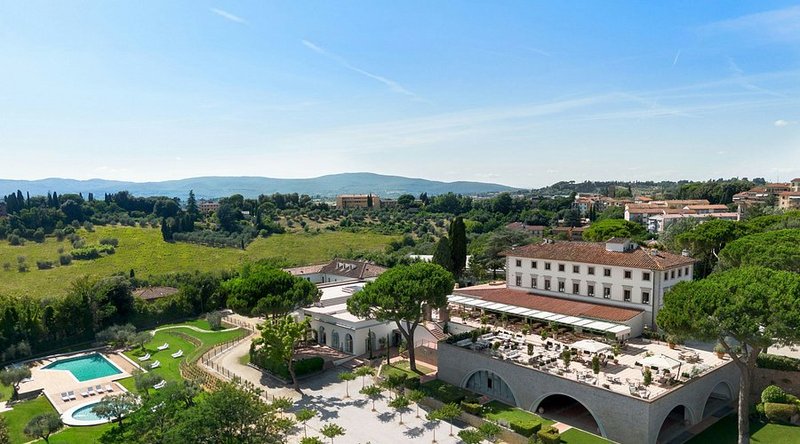
After descending from the Futa, you pick up the SS222 (Chiantigiana) toward Siena. This is wine country—the heart of Chianti—and the road is a different experience from the mountain passes. Rather than climbing and descending, the Chiantigiana flows through rolling hills studded with vineyards, cypress-lined avenues, and small villages that look like they haven’t changed in centuries.
The road passes through Greve in Chianti and other wine villages. The landscape is cultivated but never feels developed. The curves are gentle, the pace is relaxed, and the scenery is postcard-perfect. After the intensity of the Futa and Raticosa, the Chiantigiana feels like a palate cleanser.
This is the route to drive slowly, stopping in villages for lunch, visiting a winery, or simply pulling over to photograph the cypress avenues and rolling vineyards. The drive from the Futa to Siena takes 90 minutes if you’re efficient, or most of a day if you stop and savor.
Practical Driving Notes
Both passes are open year-round, but winter snow can temporarily close them. Spring and autumn are perfect—warm days with excellent visibility. The road surfaces are excellent and modern cars handle them with ease, though some tight hairpins require attention.
The Raticosa’s Rifugio Monaci is always open during the day—perfect for coffee and atmosphere. Fuel before the passes. Traffic is generally light except weekends when local motorcyclists come to play.
Allow 5-6 hours total for the passes and Chiantigiana drive if you’re focused on driving quality. With stops for scenery, the café, and a leisurely Chiantigiana pace, plan for 7-8 hours. This is a day to savor, not rush.
A bespoke tour by Road Trip Club