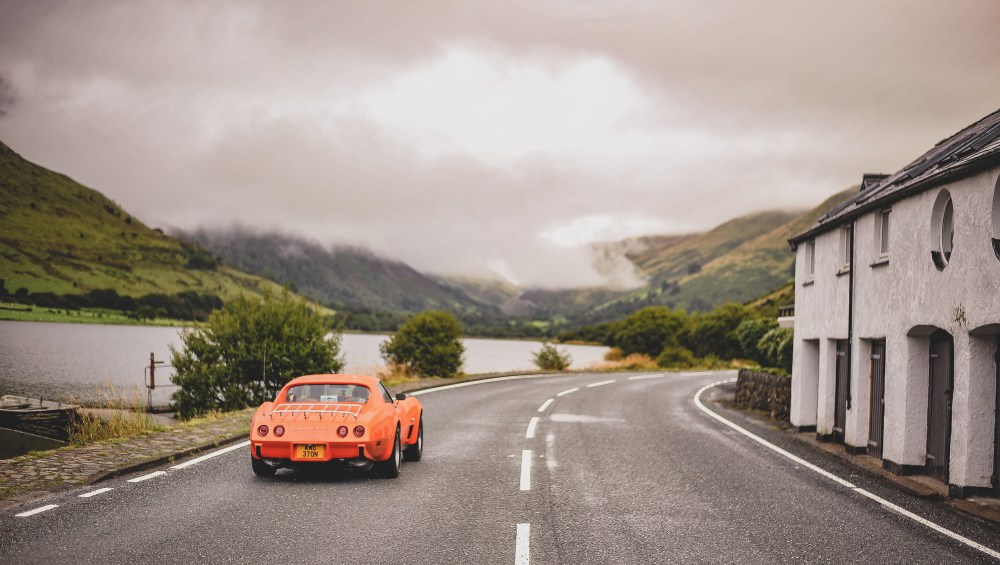
Eryri: The Mountains at the Heart of Wales
Explore the landscape that defines Welsh culture and identity
Eryri is more than just a mountain range—it’s the landscape where Welsh identity was forged. These dramatic peaks, glacial valleys and windswept passes represent centuries of Welsh history, culture and resistance. As a road trip destination, Eryri offers not just some of Britain’s finest driving roads, but a profound sense of place where every bend reveals another layer of the Welsh story.
Every great road trip needs a grand finale and few destinations in Britain provide one quite as spectacular as Eryri.
Known to many visitors by its English name, Snowdonia, Eryri National Park is the largest and most dramatic mountain landscape in Wales. Covering more than 800 square miles of rugged peaks, deep valleys, glacial lakes and ancient woodlands, it is a place where nature, history and culture combine to create one of the most distinctive regions in the United Kingdom.
For generations, travellers have been drawn here by the mountains. The skyline is dominated by Yr Wyddfa, the highest peak in Wales, which rises to 1,085 metres above sea level and attracts hundreds of thousands of visitors every year. Yet Eryri is about far more than a single mountain. The national park contains nine mountain ranges, countless lakes and some of the most rewarding driving roads in Britain, making it a paradise for those who prefer to explore from behind the wheel.
The name Eryri itself has ancient origins and reflects the region’s deep connection to Welsh culture. Unlike many parts of Britain where local traditions have gradually faded, the Welsh language remains an everyday part of life throughout much of the national park. Road signs, village names and conversations heard in local cafés often switch seamlessly between Welsh and English, creating a sense of place unlike anywhere else in the country.
The mountains have also played a significant role in Welsh history. Throughout the medieval period, the region provided a natural stronghold for Welsh princes resisting English rule. The rugged terrain made it difficult to conquer and easy to defend, helping leaders such as Llywelyn ap Gruffudd maintain their independence for generations. Castles, fortifications and historic settlements throughout the region tell the story of centuries of resistance and identity.
The landscape we see today was shaped during the last Ice Age. Vast glaciers carved their way through the mountains, creating the dramatic valleys, steep-sided passes and mirror-like lakes that define the region. As the ice retreated, it left behind a landscape of extraordinary beauty and scale. Even now, thousands of years later, the influence of those glaciers is impossible to miss. Roads wind through valleys that feel far larger than anything else found elsewhere in Wales, while jagged peaks rise sharply above the surrounding countryside.
Among the most famous of these roads is the Llanberis Pass. Stretching between Capel Curig and Llanberis, this remarkable route cuts through the heart of the mountains, passing beneath towering rock faces and alongside glacial lakes. The road itself is relatively modest, but the scenery surrounding it is anything but. Few places in Britain offer such a dramatic combination of road and landscape.
For visitors arriving for the first time, the scale can be surprising. The mountains feel higher, the valleys deeper and the views more expansive than many expect from a country often overlooked in favour of Scotland or the Alps. Yet this sense of grandeur has long played an important role in Welsh identity.
Another chapter in Eryri’s history can be found in its slate quarries. During the nineteenth century, the region became one of the world’s most important slate-producing areas. Entire communities were built around the industry, and at its peak Welsh slate was exported around the globe. The legacy of this period remains visible throughout the landscape. Vast quarry workings, abandoned tramways and slate-built villages continue to shape the character of the region, while the area’s slate heritage has now been recognised as a UNESCO World Heritage Site.
For road trippers, these layers of history add depth to every journey. A scenic viewpoint is rarely just a scenic viewpoint. A mountain road often passes through landscapes shaped by centuries of human endeavour. Every valley seems to tell a story.
Of course, the scenery remains the star attraction. The weather changes constantly in the mountains, creating an ever-changing backdrop of sunlight, mist and shadow. One moment the peaks may be hidden behind low cloud; the next they emerge dramatically into bright sunshine. This unpredictability is part of Eryri’s appeal and ensures that no two visits ever feel quite the same.
Wildlife thrives here too. Ospreys, peregrine falcons and red kites can often be seen overhead, while mountain sheep continue to graze the hillsides much as they have for centuries. In quieter corners of the national park, it is still possible to find moments of genuine solitude despite the area’s popularity.
Eryri is not simply a national park. It is a landscape that reflects Welsh history, culture and identity, all framed by some of the finest roads in Britain. Whether viewed from a mountain summit, a lakeside lay-by or the driver’s seat of a favourite car, it is a place that lingers long in the memory. Long after the road trip is over, the image of those mountains rising above the valleys will remain one of the defining memories of the journey.
Explore the roads less travelled with Road Trip Co’s expertly curated Wales experiences.