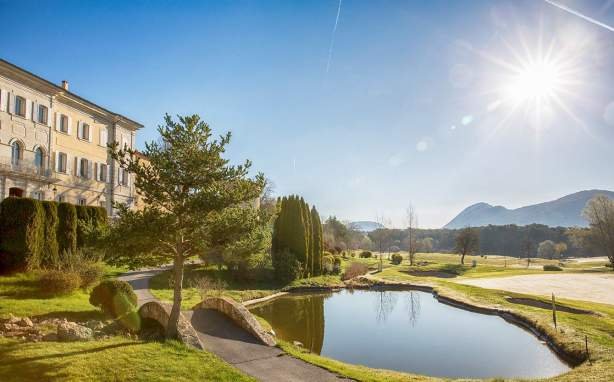
The N85 traces Napoleon’s 1815 march from Elba back to power — now one of Europe’s great driving roads, sweeping through lavender country and Alpine foothills from Grasse to Grenoble.
The Historical Context
The N85 isn’t just any French road—it follows Napoleon’s legendary escape route from Elba in 1815. After his first exile, Napoleon fled the island and marched north through France, gathering supporters as he went. This “Flight of the Eagle” became one of history’s most dramatic journeys, and the modern N85 traces much of that same path through Provence and the Alps.
The road was officially created to commemorate this route, and today it remains one of Europe’s most celebrated scenic drives. From the seaside starting point near Grasse, the N85 climbs steadily upward through some of France’s most beautiful landscapes.
Key Sections and What to Expect
The journey begins in Grasse, famous for its perfume industry, and immediately climbs into the lavender-scented foothills. The first stretch winds through small villages with stunning views toward the Mediterranean. As you climb higher, the landscape transforms from Mediterranean scrubland to Alpine terrain.
The middle section through Digne-les-Bains offers some of the most rewarding driving, with long, flowing bends through forests and valleys. The road is well-maintained and marked with Napoleonic eagle symbols at key points.
The final approach to Grenoble takes you over the Col de Bayard (1,246m), with increasingly dramatic Alpine scenery and hairpin turns that test your driving skills while rewarding you with outstanding views.
Why the Castellane Stretch is the Highlight
The Castellane section is where the route becomes truly spectacular. The town sits dramatically at the base of a sharp limestone peak, and the road climbing out of it features some of the best-engineered hairpins on the entire route. The engineering is so good, the bends so perfectly pitched, that even expert drivers find this section genuinely fun.
The views from the top of each hairpin look back over the Verdon Valley and Castellane’s medieval old town, making it a photographer’s dream as well as a driver’s delight.
Practical Driving Notes and Best Stops
Allow a full day for the complete N85 route—it’s not about speed, it’s about savoring each section. Morning light is best for the lower sections, so start early from Grasse. Stop in Castellane for lunch at one of the traditional Provençal restaurants. Fuel up before leaving larger towns, as mountain villages have limited services.
The road is open year-round, though winter snow can affect the higher passes occasionally. Spring and autumn offer the best weather—warm days, clear visibility, and fewer tourists than summer.
A bespoke tour by Road Trip Club